Most businesses do not lose product because they bought the wrong cooling item. They lose it because of how that item was stored, packed, or handled once it left the warehouse. In the UAE, where outside temperatures push past 45 degrees Celsius for months at a time, small handling mistakes turn into spoiled stock, failed lab samples, or an injured staff member far more often than a genuine product defect does.
This list covers the seven mistakes IceJet UAE sees most often across food delivery fleets, pharmaceutical couriers, event teams, and industrial cleaning crews, along with the fix for each one. None of these require buying new equipment. Most are process changes that a supervisor can put in place this week using the cooling products a business already owns.
Two patterns show up again and again when a shipment or a shift goes wrong. Either the team assumed yesterday’s routine would work for today’s weather and route, or the right safety gear existed somewhere in the building but was not where the person doing the work actually needed it. Both patterns are fixable without spending a single extra dirham on new stock.
Mistake 1: Freezing Gel Packs for Too Short a Time
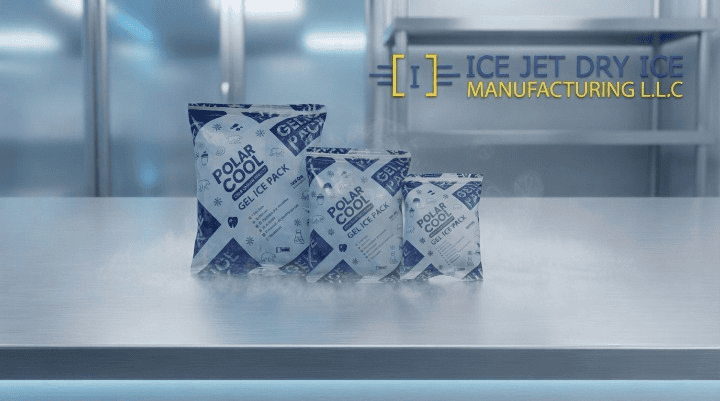
A rushed freeze is one of the most common reasons a cold chain fails halfway through a route. Staff often pull a gel ice pack out of the freezer after an hour or two because it feels solid on the outside, when the core of the pack is still soft.
The fix: freeze gel packs, sheets, pouches, and bottles for a minimum of six hours before use, and ideally overnight. Keeping a rotating stock in the freezer, so a fully frozen batch is always ready before the previous batch goes out, solves this permanently for businesses running multiple shifts a day.
Mistake 2: Using One Cold Pack Size for Every Job
A single 12 cell gel ice pack gets pushed into everything from a small lunch delivery to a bulk catering order, simply because it is what happened to be in the freezer. Undersized cooling inside an oversized box loses the fight against ambient heat within an hour.
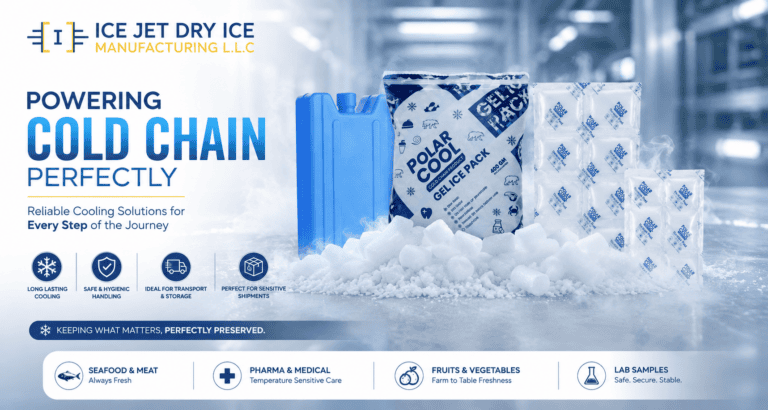
The fix: match the format to the container. The gel ice sheet works better for flat stacked cargo, the gel ice pouch fits soft delivery bags, and the gel ice bottle suits tall or narrow storage. For bulk cold storage, the 24 cell pack format covers far more surface area than repeating several small packs.
Mistake 3: Leaving Empty Air Space Inside Insulated Boxes
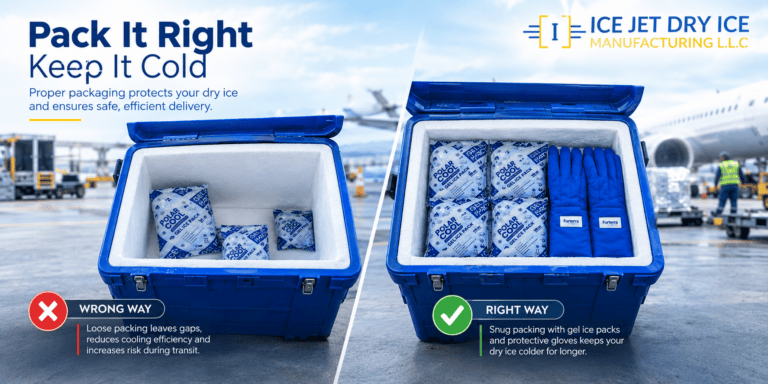
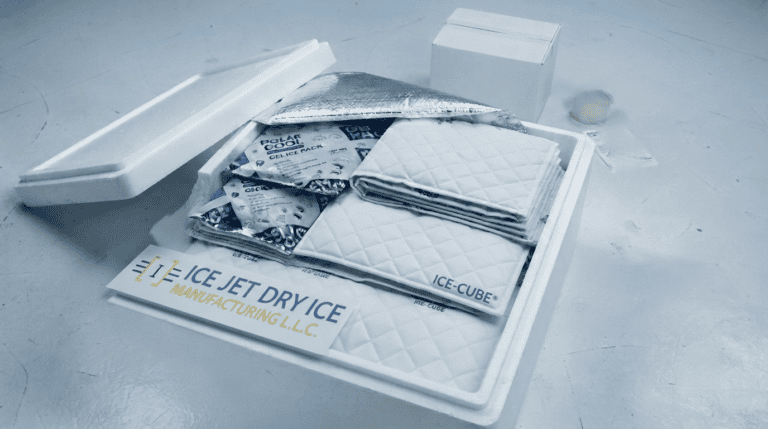
An insulated dry ice container or styrofoam box packed with too much air around the goods performs worse than a smaller, tightly packed one. Cold air sinks and escapes through any gap, and the cooling source spends its energy fighting empty space instead of protecting the product.
The fix: pack containers close to their rated capacity. When a shipment does not fill the box, add extra gel packs or crumpled insulating material to close the gaps rather than shipping in an oversized styrofoam box with room to spare.
Mistake 4: Storing Liquid Nitrogen Tanks in Sealed, Unventilated Rooms
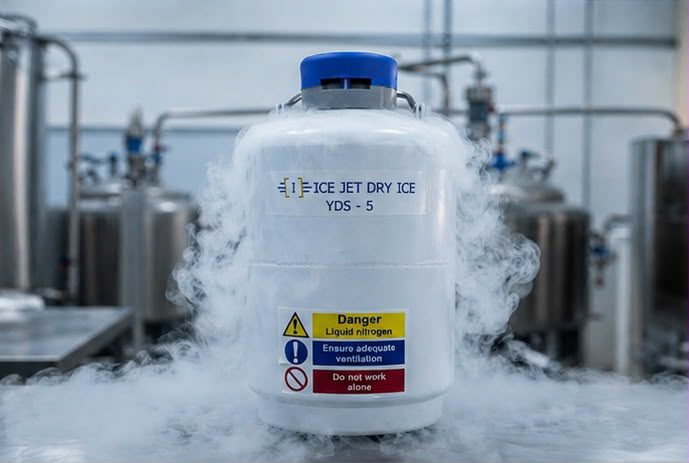
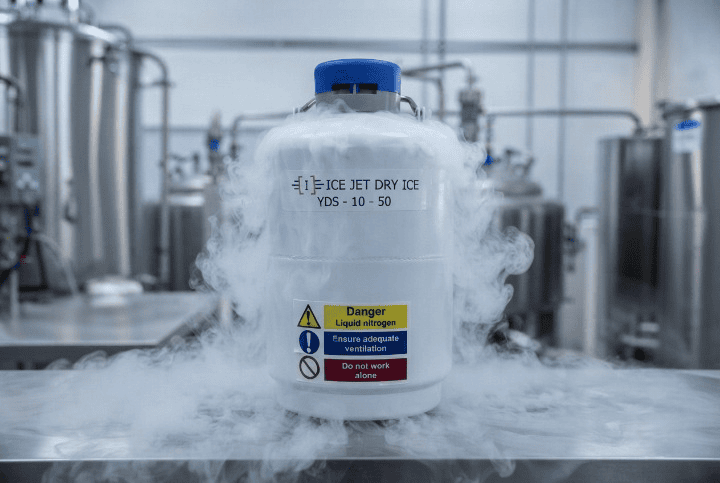
Liquid nitrogen constantly releases small amounts of gas as it slowly warms, even inside a well built tank. When a liquid nitrogen tank sits in a sealed storeroom, a locked cupboard, or the trunk of a parked car, that gas has nowhere to go, which can create a serious oxygen displacement hazard in a confined space.
The fix: store tanks upright in a ventilated room with clear airflow, never in sealed vehicles or closets, and check that the storage area has some form of air exchange, especially in smaller labs or back rooms.
Mistake 5: Handling Dry Ice or Liquid Nitrogen Without the Right Gear
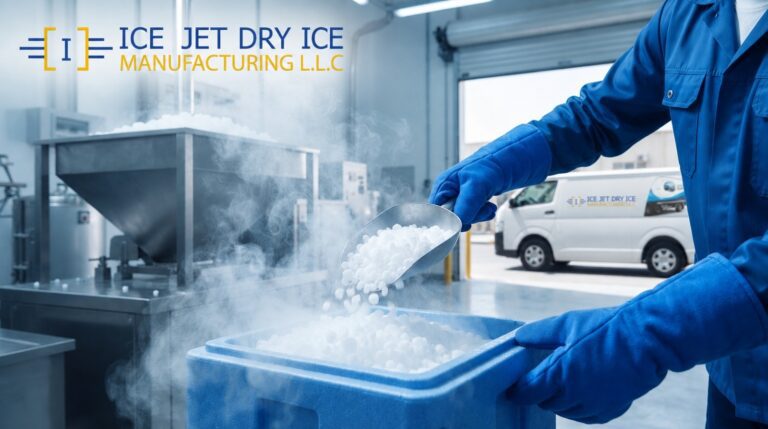
Bare hands, kitchen gloves, or a regular spoon show up far too often in dry ice and cryogenic handling, usually because the proper tool was not close by when the job needed doing. Direct skin contact with dry ice or liquid nitrogen causes cold burns within seconds.
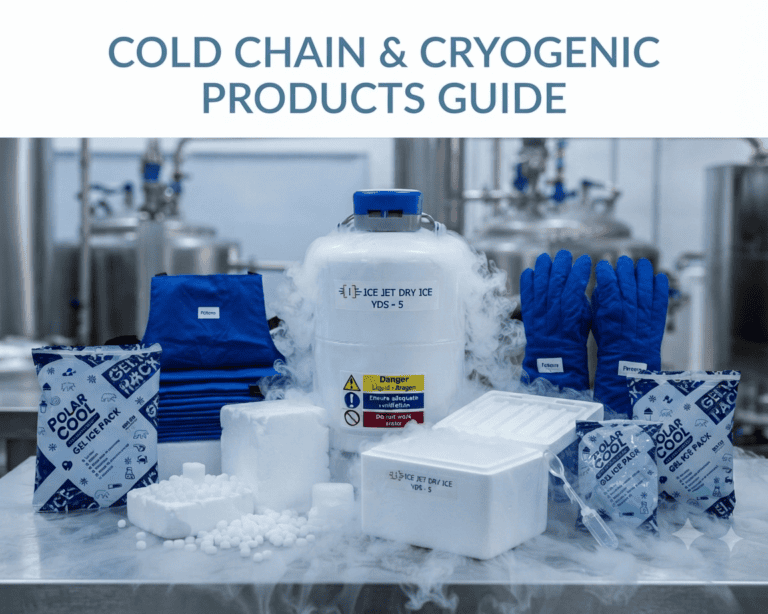
The fix: keep a dry ice handling shovel, a swizzle stick for dry ice, cryogenic gloves, and a cryo apron at every station where these materials are used, not just in a central supply cupboard. If the gear is not within arm’s reach, staff will improvise with whatever is nearby.
Mistake 6: Letting Safety Gear Wear Out Before Replacing It
Cryogenic gloves and aprons degrade with repeated cold exposure. The plastic and fabric stiffen, small cracks form along the seams, and the protective barrier weakens long before the gear looks obviously broken.
The fix: build a simple monthly check into the schedule. Flex each glove and inspect the seams on the apron. Anything that has gone stiff, cracked, or thin gets replaced immediately rather than used for one more shift to save a reorder.
Mistake 7: Guessing Quantities Instead of Calculating Them
Teams frequently order cooling supplies based on what worked “last time,” without accounting for a longer route, a hotter month, or a bigger order. This leads to either running out mid shift or overordering and wasting freezer space.
The fix: calculate based on transit time and outside temperature rather than habit. A short thirty minute delivery in winter needs far less cooling than a two hour route across Dubai in August. Businesses running bulk or wholesale orders through IceJet UAE can also set up recurring supply agreements sized to their actual route data, which removes the guesswork entirely.
Why These Mistakes Get Worse in Summer
Every mistake on this list becomes more damaging between May and September, when ground and vehicle interior temperatures in Dubai climb well past what a gel pack or insulated box was designed to fight for long. A pack that comfortably holds a route in January can fail on the exact same route in July if the freeze time, container packing, or quantity has not been adjusted for the season.
Businesses that treat their cold chain setup as fixed year round are the ones most likely to see a spike in complaints or spoiled stock the moment summer heat sets in. A short seasonal review, checking freeze times, pack sizes, and order quantities against current weather rather than last year’s habits, catches most of this before it becomes a customer complaint or a failed lab sample.
The same logic applies to liquid nitrogen and dry ice storage. Warmer ambient temperatures in a storage room or vehicle accelerate boil off and sublimation, meaning tanks and insulated containers that held their contents fine in winter may need more frequent monitoring or smaller, more frequent orders during peak heat months.
A Quick Self Check for Your Operation
Before your next shift or shipment, run through this short list:
- Are gel packs fully frozen for at least six hours before loading
- Does the pack or sheet size actually match the container being used
- Is the insulated box packed tight with minimal air gaps
- Is the liquid nitrogen tank stored upright in a ventilated space
- Is handling gear such as gloves, apron, shovel, and swizzle stick within reach of the person doing the work
- Has the safety gear been inspected for wear in the last month
- Was the order quantity based on today’s route and weather, not a rough guess
If more than one of these gets a no, that gap is likely costing more in spoiled product or reorders than the fix would cost to put in place.
Frequently Asked Questions
Why does my gel ice pack stop working halfway through a delivery even though it was frozen overnight?
This is usually a container problem rather than a pack problem. Too much empty air space inside the delivery bag, or a pack size too small for the box, lets warm air in faster than the gel can resist it. Matching pack format to container size, as described above, solves most cases.
How often should cryogenic gloves and aprons be replaced?
There is no fixed lifespan because it depends on frequency of use, but a monthly physical inspection catches most wear before it becomes a safety issue. Stiffness, cracking, or thinning at the seams are the clearest signs it is time to replace the gear.
Is it dangerous to store a liquid nitrogen tank in a small room?
It can be, if the room has poor ventilation. Liquid nitrogen releases nitrogen gas over time even from a sealed tank, and in a confined, unventilated space this can lower the oxygen level enough to be a health risk. Always store tanks in areas with clear airflow.
Can dry ice handling accidents be avoided with basic gloves from a hardware store?
No. Standard work gloves are not built for the temperatures involved and do not provide reliable protection against cold burns. Cryogenic gloves are made from materials specifically rated for temperatures well below what dry ice or liquid nitrogen reaches.
Do these mistakes apply equally to small businesses and large logistics operations?
Yes, though the consequences scale differently. A single delivery rider who skips the six hour freeze window loses one order. A logistics operation running the same shortcut across fifty vehicles multiplies that failure across every route that day. The fixes are identical regardless of scale, but larger operations benefit more from writing the checklist above into a formal shift procedure rather than relying on individual staff memory.
How do I know if my current cooling setup is actually the problem, or if it is a handling issue?
Track where the failure shows up. If products arrive warm despite using the correct pack size and fresh freeze, the container or route timing is likely the issue. If the same route worked fine last month but fails now, check whether the ambient temperature has changed enough to need a different pack format or an extra unit. Most failures reported to suppliers as a product defect turn out to be one of the seven handling gaps covered in this guide.
Fix the Handling Gaps, Not Just the Supply
Most cold chain failures in the UAE trace back to a handling habit rather than a faulty product. Reviewing freezing times, container packing, storage conditions, and safety gear condition on a regular basis catches these issues before they cost a shipment. For businesses ready to standardize their setup, IceJet UAE supplies the complete range of cold chain products and liquid nitrogen products and safety equipment needed to close these gaps, along with bulk pricing for recurring orders.