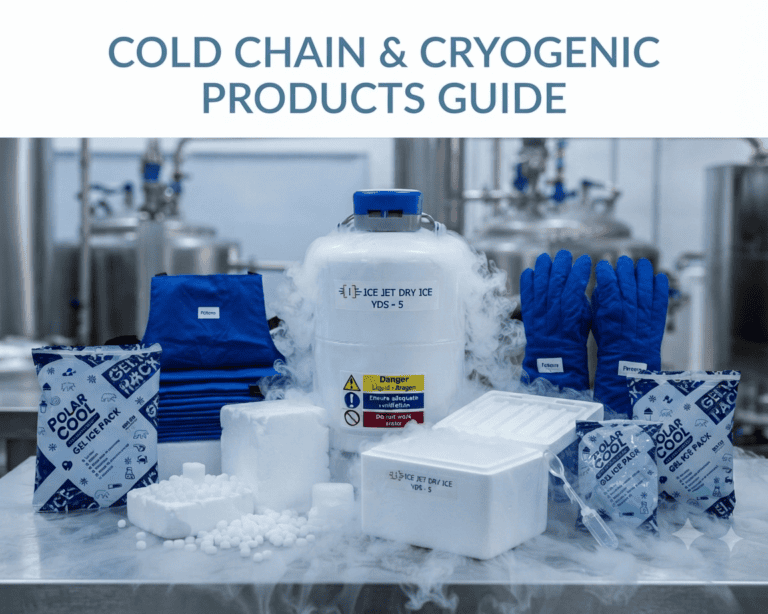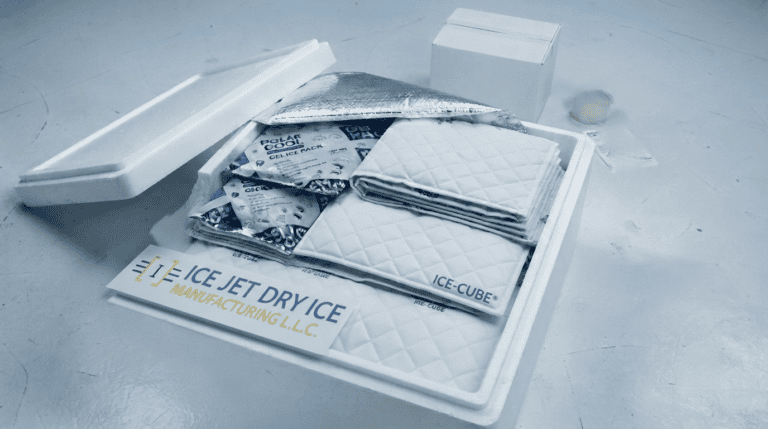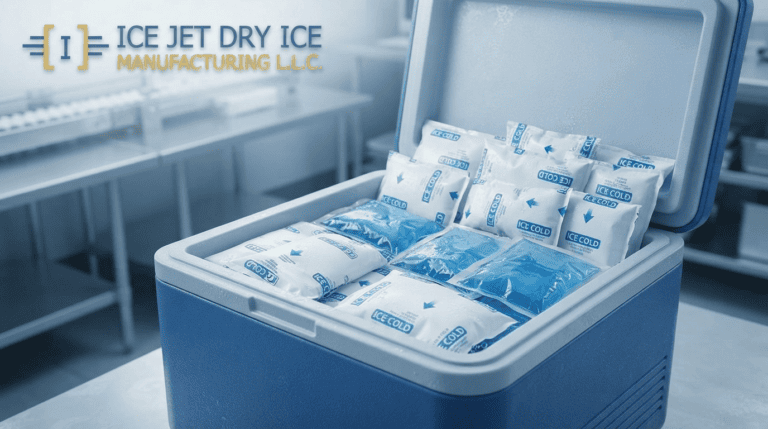
Shipping or storing something that needs to stay cold in Dubai’s heat usually means combining more than one product, an insulated box, a cooling source, and sometimes specialized containers for extreme temperatures. Here’s how to choose the right combination for your shipment.
1. Styrofoam Box (the outer insulation layer)
A styrofoam box is the foundation of most cold chain shipments. It’s lightweight, cheap to ship, and insulates far better than a plain cardboard box, slowing heat transfer from outside. On its own it won’t keep contents cold for long, it needs a cooling source inside (see below), but it’s the container that makes any cooling product actually effective for hours instead of minutes.
2. Ice Pack Sheet (flat, flexible cooling)
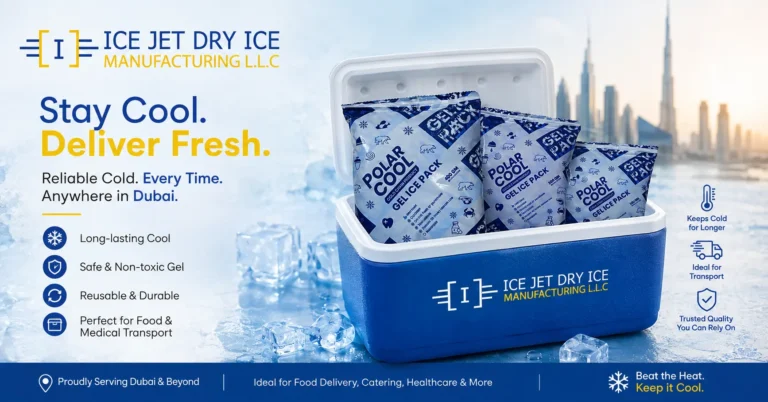
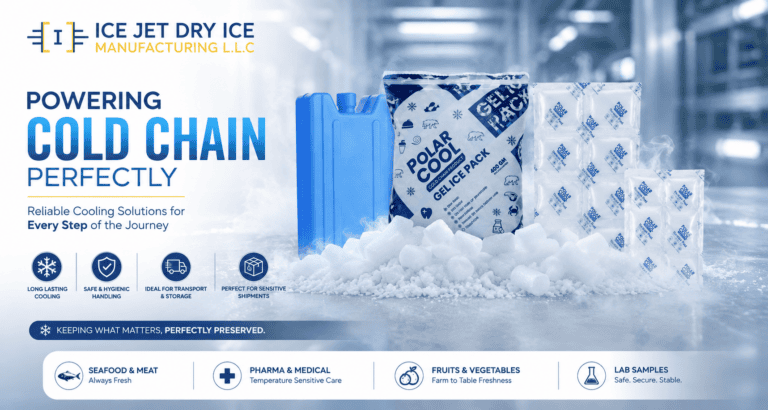
An ice pack sheet is a flat, flexible gel sheet designed to line the inside walls of a box or cooler, useful when you need even cooling across a large surface area rather than a single point of cold. This works well for flat-packed food items, medical samples laid flat, or lining the sides of a styrofoam box alongside a gel pack in the center.
3. Instant Cold Pack (Socker Pad)
A socker pad is an instant cold pack that activates on the spot without needing a freezer, useful for first-aid situations or short-notice cooling needs where there’s no time to pre-freeze a gel pack. For larger area coverage, a large socker pad covers more surface area in a single use. These are single-use, unlike gel ice packs, so they suit emergency or one-off situations rather than recurring shipments.
4. Liquid Nitrogen Flask (extreme cold storage)
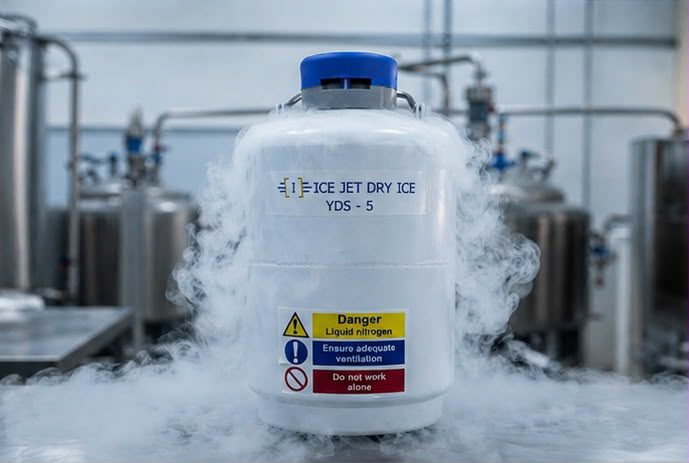
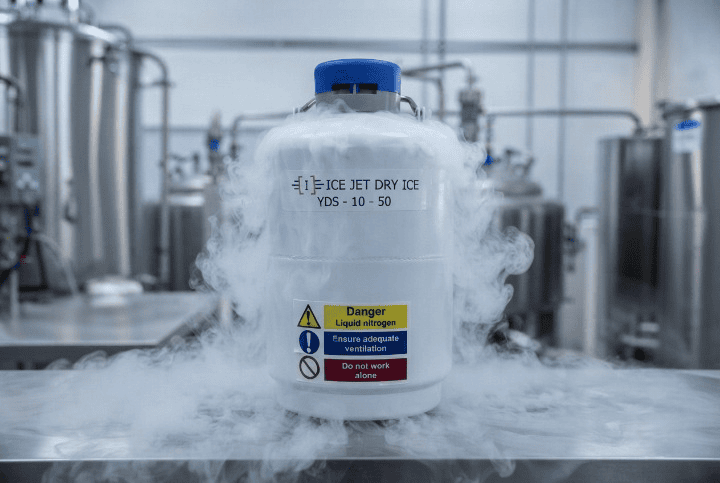
For anything requiring far colder temperatures than a gel pack or dry ice can provide, biological samples, certain lab materials, or specialized medical storage, a liquid nitrogen flask holds liquid nitrogen at around minus 196 degrees Celsius. This is a different category from the other three products here: it’s for extreme, specialized cold storage rather than general shipping insulation, so it’s usually bought separately for lab, medical, or research use rather than as part of a standard shipping box.
Which Combination Do You Need?
| Shipment Type | Recommended Combination |
| Standard food or product delivery | Styrofoam box + gel ice pack or ice pack sheet |
| Flat-packed items needing even cooling | Styrofoam box + ice pack sheet lining the walls |
| Emergency or short-notice cooling, no time to freeze | Socker pad (instant cold pack) |
| Large-area instant cooling need | Large socker pad |
| Lab, medical, or biological sample storage | Liquid nitrogen flask (specialized, standalone) |
FAQs
Do I need both a styrofoam box and an ice pack for shipping?
Yes, in most cases. The styrofoam box provides insulation to slow heat transfer, while the ice pack or ice pack sheet provides the actual cooling source inside. Neither works as well alone as the combination does.
What’s the difference between a socker pad and a gel ice pack?
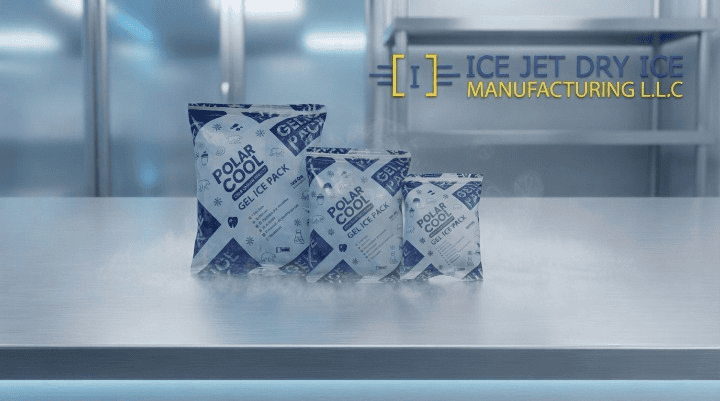
A socker pad is a single-use instant cold pack that activates without freezing, useful for emergencies or short-notice needs. A gel ice pack is reusable and needs to be pre-frozen, better suited for planned, recurring shipments.
Can I use a liquid nitrogen flask for regular food or product shipping?
No. Liquid nitrogen flasks are built for extreme, specialized cold storage around minus 196 degrees Celsius, typically for lab, medical, or research samples, not standard food or retail shipping, where a styrofoam box and gel ice pack combination is more practical and cost effective.
How do I keep a shipment cold for a full day in Dubai’s heat?
Use a well insulated styrofoam box, add a properly frozen gel ice pack or ice pack sheet sized for the box, and minimize how often the box is opened during transit, since each opening lets warm air in and shortens how long the contents stay cold.
Not sure which combination fits your shipment? Message us on WhatsApp and we’ll help you put together the right setup for your product and delivery timeline.