Cooling needs vary a lot depending on what you’re trying to keep cold, for how long, and in what shape or container. Dry ice, gel ice packs, and cooling gel sheets each solve slightly different problems — and choosing the wrong one usually means either wasted money or a cooling solution that doesn’t actually hold up. Here’s how to pick the right one.
Gel Ice Packs: The All-Purpose Option
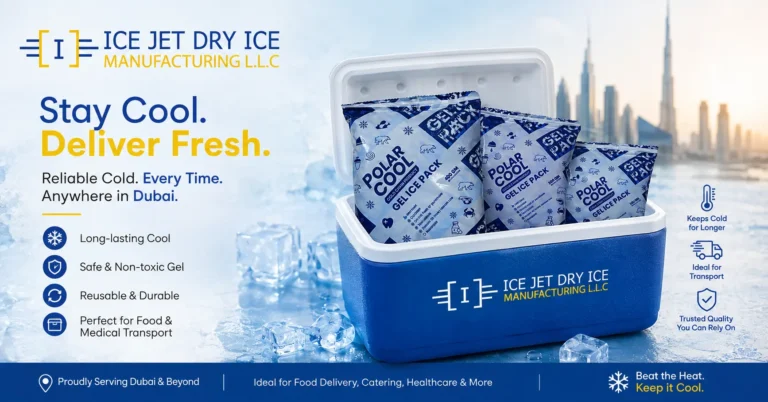
Gel ice packs are the most familiar cooling solution — reusable, rigid or semi-rigid packs filled with a gel that holds cold longer than water ice and refreezes cleanly without the mess of melted water.
Best for: lunch boxes, small coolers, first aid kits, medical cold therapy, and short-to-medium duration cooling needs.
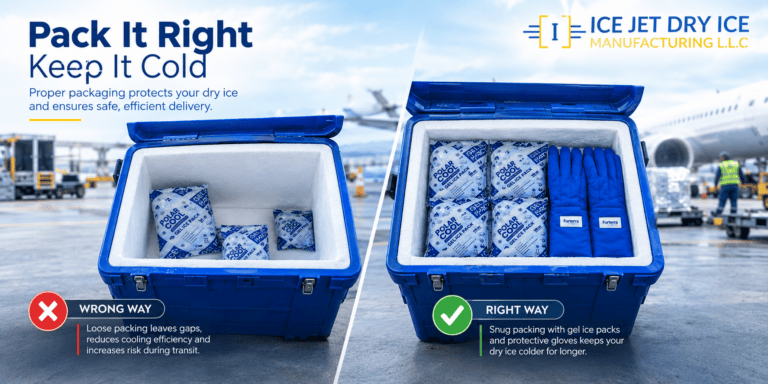
Sizing matters more than people expect. A single-cell gel pack sized for a small cooler won’t hold enough cooling capacity for a full-day event or a larger insulated shipping box. Matching pack size to your actual container and duration need prevents both under-cooling and unnecessary overspending on packs that are larger than you need.
Cooling Gel Sheets: Flexible Coverage for Irregular Shapes
Unlike rigid gel packs, cooling gel sheets are flexible and conform to uneven surfaces — useful where a fixed-shape pack doesn’t fit well, such as wrapping around packaged food items, covering a broader surface area in medical applications, or fitting into oddly-shaped packaging.
Best for: food packaging where flexible coverage is needed, medical and first-aid applications requiring broader contact area, and situations where a rigid pack simply won’t sit correctly against the item being cooled.
Dry Ice: For When You Need Serious, Extended Cooling Power
Both gel packs and gel sheets are reusable and convenient, but they can’t match dry ice for raw cooling power or duration. Dry ice sits at -78°C — dramatically colder than a gel pack — and is the right choice when you need extended cold chain protection (shipping, medical logistics), a fog/visual effect, or industrial-grade cooling that a gel pack simply isn’t built for.
Best for: shipping perishables or temperature-sensitive goods over longer transit times, industrial and medical cold chain logistics, and any use case where gel pack duration or cooling power isn’t sufficient.
A Simple Way to Decide
Ask yourself three questions:
- How cold does it need to get? If regular refrigerator-level cold is enough, a gel pack or gel sheet works. If you need well below freezing, or extended cooling over many hours, dry ice is the better fit.
- What shape is what you’re cooling? Rigid, boxed items suit gel packs. Irregular or wrapped items often suit gel sheets better.
- How long does it need to stay cold? A few hours — gel pack or sheet. A full day or multi-day shipment — dry ice.
Sizing Guide for Gel Ice Packs
If you’ve settled on gel packs, matching size to use case avoids waste:
- Small packs (100g-200g): lunch boxes, small first-aid kits, personal cooling
- Medium single-cell packs: small-to-medium coolers, short delivery routes
- Multi-cell packs (12-cell, 24-cell): larger coolers, extended events, bulk food delivery where consistent coverage across a wider area matters
Gel Ice Pack Formats: Packs, Pouches, and Sheets
Beyond size, gel cooling products also come in different formats, each suited to slightly different packaging needs:
Gel ice packs — the standard rigid or semi-rigid format, available in sizes like ice pack 100g, ice pack 200g, and ice pack 400g for larger cooling needs, as well as a single-cell gel ice pack (136mm × 65mm) sized for compact coolers and lunch bags.
Multi-cell gel ice packs — for broader, more even coverage across a larger surface, available as 12-cell and 24-cell formats, commonly used in larger coolers, catering setups, and extended event cooling.
Gel ice pouches — a softer, flexible pouch format that fits into gaps a rigid pack can’t reach, useful for irregularly packed coolers and delivery boxes. Available for Gel Ice pouch in Dubai and across the UAE.
Ice pack sheets — full-surface flexible sheets (sometimes called gel sheets or ice pack sheets) designed to line the base or sides of a cooler or delivery box for even, broad-surface cooling rather than a single point of contact. Available for ice pack sheet delivery in Dubai and the UAE.
Matching the right format to your packaging shape — rigid pack for a fixed cooler, pouch or sheet for irregular or tightly packed spaces — makes a real difference in cooling consistency, not just convenience.
Reusability and Cost Over Time
One advantage gel packs and gel sheets have over dry ice: they’re reusable indefinitely with proper care, simply refreezing between uses. For businesses with predictable, recurring cooling needs (a daily delivery route, a first-aid station, a recurring event), this can be more cost-effective long-term than repeatedly purchasing dry ice, even though dry ice offers stronger raw cooling performance per use.
Where to Get These in Dubai
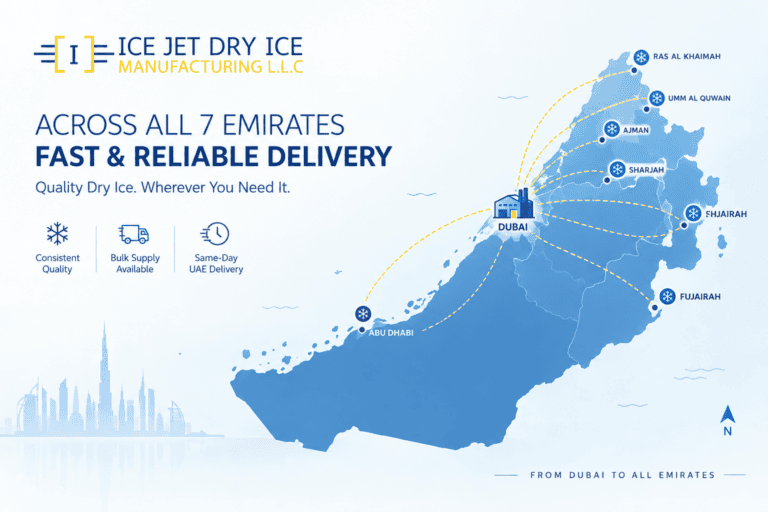
Ice Jet supplies the full range of cooling solutions across Dubai, Sharjah, and Abu Dhabi — from gel ice packs in multiple sizes to cooling gel sheets for flexible coverage, alongside dry ice for higher-intensity cooling needs. We also supply Gel Ice packs across the UAE and Gel Ice pouches in the UAE for businesses and individuals outside Dubai specifically. If you’re not sure which option fits your specific use case, it’s worth reaching out directly with your container size, duration needs, and use case — the right choice usually becomes clear once those details are clear.
Whichever option fits your situation, matching the cooling method to your actual duration and shape requirements — rather than defaulting to whichever is most familiar — tends to give better results and better value over time.